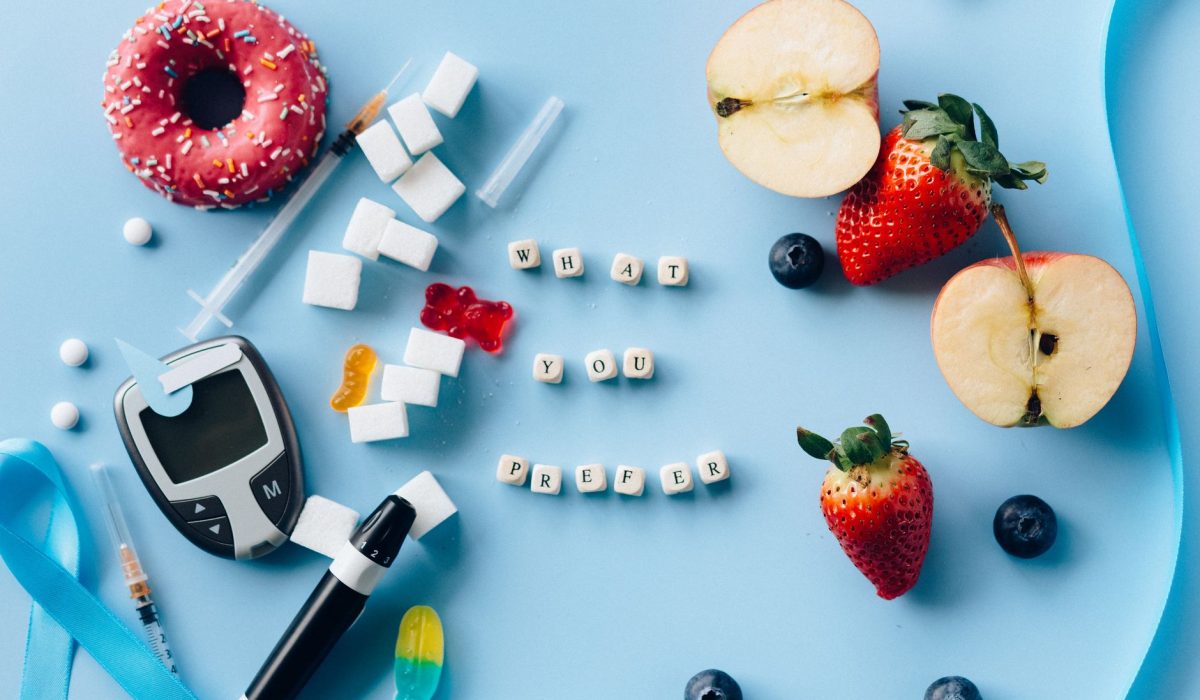
What Fruit Lowers Blood Sugar is a common question for people trying to manage diabetes, prediabetes, or general blood sugar balance. Fruit is often misunderstood in this context because it contains natural sugars, but not all fruits affect the body in the same way. In fact, many fruits can support stable glucose levels when eaten in the right portions and combinations.
The key is understanding how fiber, natural sugar, and nutrients work together. Some fruits slow down digestion, help prevent spikes, and provide essential vitamins that support overall metabolic health. Instead of avoiding fruit altogether, choosing the right types and eating them wisely can actually be beneficial.
Understanding What Fruit Lowers Blood Sugar and How Fruit Affects Glucose
To understand What Fruit Lowers Blood Sugar, it’s important to first understand how fruit interacts with the body. Fruit contains natural sugars like fructose, but it also contains fiber, water, vitamins, and antioxidants. These elements influence how quickly sugar enters the bloodstream.
Fiber is especially important. It slows digestion and helps prevent sudden spikes in blood glucose. Fruits that are high in fiber generally have a gentler effect on blood sugar compared to processed sweets or low-fiber foods.
The glycemic index (GI) is another useful concept. It measures how quickly a food raises blood sugar. Fruits with a low GI are digested more slowly, leading to more stable glucose levels. However, portion size still matters even with low-GI fruits.
It’s also important to remember that whole fruits behave differently from fruit juices. Juices remove fiber and concentrate sugar, which can lead to faster spikes. Whole fruits are always the better option for blood sugar balance.
Best Fruits That Support Healthy Blood Sugar Levels
When asking What Fruit Lowers Blood Sugar, several fruits are often recommended because of their fiber content and low glycemic impact.
Berries such as blueberries, strawberries, raspberries, and blackberries are among the best choices. They are rich in antioxidants and fiber while being relatively low in natural sugar. Their slow digestion helps support stable blood glucose levels.
Apples are another excellent option. They contain soluble fiber called pectin, which helps slow sugar absorption. Eating apples with the skin provides even more fiber and nutritional benefits.
Pears also work well for blood sugar balance. Like apples, they are high in fiber and have a gentle effect on glucose levels when eaten in moderation.
Citrus fruits such as oranges, lemons, and grapefruits are also helpful. They have a low glycemic index and contain vitamin C, which supports overall metabolic health.
Kiwi is another fruit that can be beneficial due to its fiber and nutrient density. It provides sweetness without causing rapid sugar spikes when eaten in appropriate portions.
These fruits can be included in daily meals as part of a balanced diet to support better blood sugar control.
How Fiber-Rich Fruits Help Regulate Blood Sugar
A key factor in understanding What Fruit Lowers Blood Sugar is fiber. Fiber plays a major role in slowing down the absorption of sugar into the bloodstream.
Soluble fiber forms a gel-like substance during digestion, which slows the breakdown of carbohydrates. This helps prevent sudden increases in blood glucose after eating. Insoluble fiber also supports digestion and gut health, which indirectly helps metabolic balance.
Fruits like apples, pears, and berries contain both types of fiber. This combination makes them especially helpful for people looking to manage blood sugar naturally.
Fiber also improves satiety, meaning you feel full for longer. This can help reduce overeating and unhealthy snacking, both of which can affect blood sugar levels.
Another benefit of fiber-rich fruits is improved gut health. A healthy gut microbiome plays a role in how the body processes sugar and insulin. Over time, this can support better overall glucose regulation.
Including fiber-rich fruits regularly can be a simple but effective part of a balanced eating pattern.
Fruits to Eat Carefully When Managing Blood Sugar
While exploring What Fruit Lowers Blood Sugar, it’s equally important to understand which fruits should be eaten carefully. This doesn’t mean they are unhealthy, but they may affect blood sugar more quickly if consumed in large amounts.
Tropical fruits like mangoes, pineapples, and ripe bananas tend to have higher natural sugar content. When eaten in moderation, they can still be part of a healthy diet, but portion control is important.
Dried fruits such as raisins, dates, and dried apricots are very concentrated sources of sugar. Because the water is removed, the sugar content becomes more concentrated, which can lead to faster blood sugar spikes.
Fruit juices and smoothies without fiber can also raise blood sugar more quickly than whole fruits. Even though they come from natural sources, the lack of fiber changes how the body processes them.
Watermelon, while hydrating and refreshing, has a higher glycemic index compared to many other fruits. It can still be eaten in small portions but should be balanced with other foods.
The key is not to eliminate these fruits but to consume them mindfully and in moderation.
Smart Ways to Include Fruit in a Blood Sugar-Friendly Diet
Understanding What Fruit Lowers Blood Sugar is not just about choosing the right fruits but also about how you eat them. Timing, portion size, and combinations all matter.
Pairing fruit with protein or healthy fats can help slow down sugar absorption. For example, eating an apple with peanut butter or berries with yogurt can create a more balanced snack.
Portion control is also important. Instead of eating large servings at once, smaller portions spread throughout the day can help maintain steady energy levels.
Eating fruit as part of a meal rather than on an empty stomach can also reduce blood sugar spikes. When combined with other nutrients, the body processes sugar more gradually.
Choosing whole fruits over processed fruit products is another simple but important habit. Whole fruits retain fiber and nutrients that help regulate glucose.
Consistency is key. Including a variety of low-GI fruits regularly can support long-term blood sugar balance rather than relying on one specific fruit.
Final Thought
What Fruit Lowers Blood Sugar is not a question with a single answer, but rather a guide to making smarter food choices. Many fruits, especially those high in fiber and low in glycemic impact, can support stable blood sugar when eaten in moderation.
Berries, apples, pears, citrus fruits, and kiwi are among the best options for maintaining balanced glucose levels. At the same time, portion control and food combinations play an equally important role.
Instead of avoiding fruit, the focus should be on understanding how different types affect your body. With mindful eating habits, fruit can remain a healthy, enjoyable, and beneficial part of your daily diet.
FAQs
Which fruit is best for lowering blood sugar quickly?
There is no single fruit that directly lowers blood sugar, but berries and apples are often recommended for their low glycemic impact.
Can people with diabetes eat fruit daily?
Yes, most people with diabetes can eat fruit daily in controlled portions, especially low-GI fruits.
Are bananas bad for blood sugar?
Bananas are not bad, but ripe bananas have more sugar, so portion size matters.
Is fruit juice safe for blood sugar control?
Fruit juice is less ideal because it lacks fiber and can raise blood sugar quickly.
How much fruit should I eat per day?
It depends on individual health needs, but moderate portions of whole fruit spread throughout the day are generally recommended.