

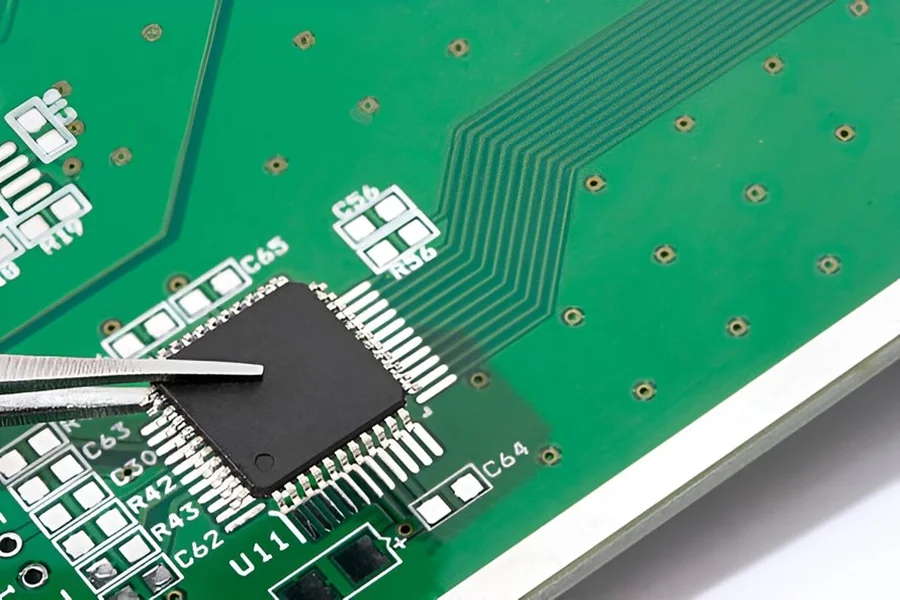
A Single-Sided PCB is the most basic type of printed circuit board, featuring a single layer of conductive material on one side of the board. Components are typically mounted on the top side while copper traces reside on the bottom, forming simple and functional circuits. Despite its simplicity, a Single-Sided PCB remains a popular choice for many low-complexity electronic applications due to its cost-effectiveness, ease of manufacturing, and reliable performance.
These PCBs are widely used in consumer electronics, industrial equipment, and educational projects, where the circuit design does not require multiple layers or complex interconnections. They provide an excellent balance between functionality and affordability, making them ideal for small-scale production.
Advantages of Single-Sided PCBs
The simplicity of a Single-Sided PCB offers several advantages that make it a preferred choice for various applications:
- Cost-Effective Production: Fewer materials and simpler manufacturing processes reduce overall costs.
- Easy Design and Layout: Designers can create straightforward circuits without complex routing.
- Fast Production: Single-sided boards can be fabricated quickly, reducing lead time.
- Reliability: With fewer layers, there is less risk of interlayer defects.
- Maintenance-Friendly: Easier to inspect and repair due to accessible traces and components.
These benefits make Single-Sided PCBs suitable for applications where efficiency, speed, and budget are key considerations.
Applications of Single-Sided PCBs
Single-Sided PCBs are versatile and can be found in many everyday electronic devices and industrial applications. Common applications include:
- Consumer Electronics: Calculators, power supplies, radios, and basic home appliances often use single-sided boards.
- Industrial Controls: Machines, control panels, and monitoring devices rely on simple yet effective PCB designs.
- LED Lighting: Single-sided PCBs are used for LED panels and small lighting modules.
- Automotive Accessories: Non-critical automotive electronics, like dashboard components and basic sensors, utilize single-sided designs.
- Educational Projects: Ideal for electronics learning kits and prototypes, thanks to their simple layout.
These applications demonstrate that a Single-Sided PCB is a practical and efficient solution for numerous low-to-medium complexity electronic systems.
Key Features of Single-Sided PCBs
A Single-Sided PCB is defined by several features that ensure effective performance and usability:
- Single Conductive Layer: All copper traces are placed on one side of the substrate.
- Component Mounting: Components are generally mounted on the opposite side of the traces.
- Simple Fabrication: Uses standard materials like FR4 and straightforward etching processes.
- Low Complexity: Suitable for circuits with low-density component layouts.
- Durability: Reliable for applications that do not require heavy current or multilayer connections.
These features make Single-Sided PCBs easy to design, fabricate, and integrate into small-scale electronic systems.
Challenges in Using Single-Sided PCBs
While Single-Sided PCBs are simple and cost-effective, they do come with limitations that need to be considered during design:
- Limited Complexity: Cannot handle high-density or multilayer circuit designs.
- Current Carrying Limitations: Suitable only for low-to-medium power applications.
- Space Constraints: More complex circuits may require larger board sizes due to single-layer routing.
- Signal Integrity: High-frequency applications are limited due to potential signal loss and interference.
Designers must evaluate these factors to ensure a Single-Sided PCB meets the requirements of the intended application.
The Future of Single-Sided PCBs
Despite the rise of multilayer and advanced HDI PCBs, Single-Sided PCBs remain relevant due to their simplicity, affordability, and ease of manufacturing. They are likely to continue serving as a practical solution for low-cost consumer electronics, LED modules, industrial controls, and educational kits.
Advances in manufacturing techniques will allow even more efficient production of single-sided boards, improving quality while maintaining cost advantages. Additionally, the growing DIY electronics and maker community ensures ongoing demand for accessible, simple PCB solutions.
Conclusion
A Single-Sided PCB provides a simple, efficient, and cost-effective solution for a wide range of electronic applications. Its straightforward design, reliable performance, and affordability make it ideal for consumer electronics, industrial controls, LED lighting, and educational projects.
For businesses and engineers seeking high-quality, reliable boards, partnering with a skilled Single-Sided PCB Manufacturer ensures access to precise fabrication, quality assurance, and timely delivery. Choosing the right manufacturer allows designers to focus on innovation while relying on professional PCB production to meet project needs.
