
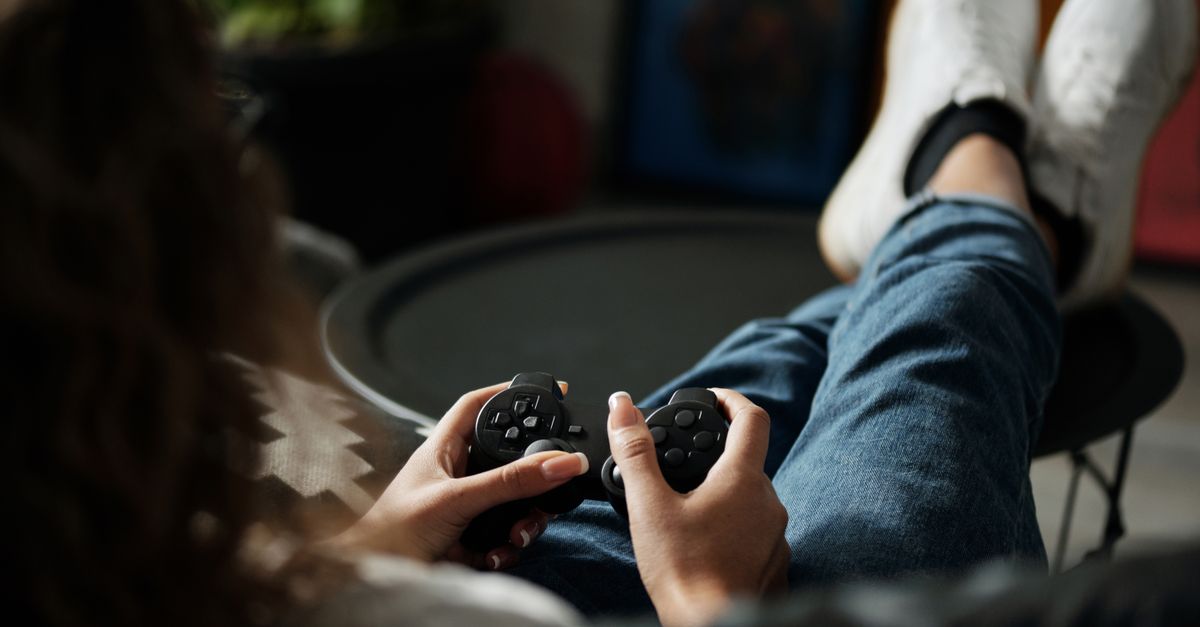
Have you noticed how online gaming now feels like part of daily life instead of just a way to pass the time?
That shift did not happen overnight. It grew as games moved from a niche hobby into a routine that fits work breaks, late evenings, group chats, and weekend plans.
For many people, gaming is no longer a solo activity tucked away in a spare hour. It sits alongside music, social media, fitness apps, and streaming as one of the normal ways people relax and connect. That change says a lot about how digital habits have changed.
The biggest reason is simple: online games give people a place to play, talk, compete, and belong all at once. They are not only about scoreboards or fast reactions. They are about routine, identity, and social connection, which is why they have become part of everyday lifestyle choices.
From Casual Play To Daily Habit
Online gaming became more common as phones, home internet, and better devices made it easier to play anywhere.
Easy Access Changed The Habit
In the past, gaming usually meant setting aside time for a console or computer. Now, a person can join a match while commuting, waiting for food, or taking a short break. That convenience turned gaming into a repeated habit rather than a rare event. When something is always within reach, it starts to blend into daily routines.
Short session formats also helped. Many games fit neatly into ten or fifteen minutes, so people do not need to block off a full evening. That makes gaming feel less like a special activity and more like checking a feed or listening to a playlist.
People Built Rituals Around Play
Once gaming became easier to access, it started to anchor daily patterns. Some players log in after work to unwind. Others play before bed, during lunch, or after finishing chores. These small rituals matter because they turn play into a steady habit that feels personal and familiar.
Online gaming also fits modern schedules better than many older hobbies. It can be picked up and paused quickly, which matters in busy lives where free time is scattered rather than long and uninterrupted.
Social Connection Became A Big Part Of It
Online play is not only about the game itself. It is also about the people around it.
Gaming Became A Social Space
Friends no longer need to be in the same room to spend time together. They can talk through voice chat, team up in matches, or just hang out in a digital lobby. For many people, that social layer is what keeps them coming back. It feels less like isolated screen time and more like shared time.
That is also why gaming often overlaps with other online habits. A player might chat with friends, follow gaming clips, or discuss updates in group messages. Even simple search terms like slot gacor show how gaming language has become part of wider online conversation.
Communities Formed Around Shared Interests
People also use gaming to find others who like the same styles of play, from casual puzzles to competitive matches. These groups often build routines around regular play sessions, inside jokes, and shared goals. Over time, that creates a sense of belonging that feels similar to other social circles in everyday life.
Because of this, gaming is not only a hobby. For many, it is a social habit that helps maintain friendships and make new ones.
Identity And Routine Shaped The Shift
As online gaming grew, people started to treat it as part of who they are.
Gaming Became Part Of Personal Identity
People talk about the games they play the same way they talk about music taste or favorite shows. A game profile, preferred style, or regular squad can say a lot about someone. That personal connection makes gaming feel less like a pastime and more like a normal part of self-expression.
Some players also use gaming as a way to manage stress, stay mentally active, or keep a sense of routine after work. In that sense, it fits the same role that reading, exercise, or cooking might fill in another person’s life.
Digital Habits Keep It Growing
As more daily tasks moved online, people got used to spending time in digital spaces. Online gaming fit that pattern naturally. It offers interaction, variety, and structure in one place. That combination explains why it stayed popular even as other trends changed.
Platforms like asia303 reflect how gaming culture continues to sit inside everyday digital behavior, not outside it.
Final Thoughts
Online gaming became a lifestyle because it fits how people live now. That is the real shift. Online gaming did not replace leisure. It became one of the main ways people shape their free time, connect with others, and express who they are.


